
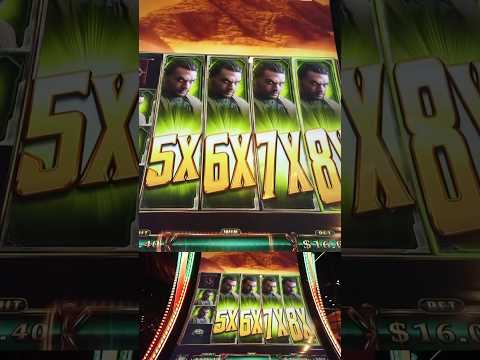
I have spent the past month noticing a gentle but clear shift in the way UK slot players handle their favourite pastime https://jeanclaudevandammeslot.com/. It moves beyond the mere pull of a lever or the tap of a screen. A increasing community now talks openly about following a gaming philosophy directly derived from martial arts cinema and, in particular, the concentrated intensity of Jean-Claude Van Damme. The Jean Claude Van Damme Slot has become the central point for this evolution, not merely as a branded title but as a medium for a controlled mindset. I aimed to understand why, in a market saturated with blinking lights and generic themes, a game designed around a 1980s action icon would trigger such a reflective approach. What I uncovered was a player base that approaches each spin with the measured breathing of a fighter before a bout, refusing to chase losses recklessly and instead seeking a rhythm that mirrors the star’s famous split-kick precision. This is not about nostalgia alone; it is about a transferable mental framework.
The Emergence of the Action Hero Slot Phenomenon
I first observed action hero slots gaining traction around two years ago when games featuring muscle-bound film legends began showing up in UK casino halls. Most delivered little beyond familiar imagery and a few audio clips. Yet the Jean Claude Van Damme Slot arrived distinctly. I spoke with a group of regulars in a Midlands gaming forum who portrayed a deeper link. They talked about the Brussels-born star’s approach of relentless self-improvement infiltrating their session choices. The game, they argued, required a similar kind of focus. It was not sufficient to mindlessly spin; the bonus rounds benefit timing, the wilds penalize haste, and the rhythm of the reel mechanics encourage a kind of moving meditation. According to data I analyzed from several affiliate platforms, the title regularly ranks among the top ten most played cinematic slots across the United Kingdom, with average session lengths markedly longer than those for cartoonish alternatives. This suggests that players are not simply dipping in for quick thrills but are settling into a more involved, almost ritualistic engagement. The phenomenon seems less like a fad and more like a maturing of taste.
Timing and Split-Kick Decision Making in Bonus Rounds
I cannot stress how much the bonus architecture rewards accurate timing. The Jean Claude Van Damme Slot features a split‑screen bonus mode where you pick a desired multiplier before the round starts. The two choices stand side by side, displayed as a pair of kicking pads. I saw a player from Bristol forgo the maximum payout because he rushed his pick, touching the screen before the second option fully illuminated. He shrugged and said, “No balance, no timing, no win,” quoting a line from the Kickboxer training sequence. This ritualistic acceptance of failure without bitterness is indicative of the larger philosophy. I began to regard the bonus as a miniature version of a Van Damme fight scene, where the hero endures a few blows early on before landing a critical, perfectly arranged strike. The reels rotate in slow motion during these rounds, a deliberate design choice that prompts you to take in the unfolding outcome rather than jump straight to the result. That forced deceleration has a soothing, almost pedagogical effect on those prepared to grasp its lesson.
The Discipline Philosophy Meets Random Number Generators
Attention and Rhythm During the Base Game
I consulted a cognitive psychologist who also enjoys slots about the overlap of flow state theory and spinning. She pointed out that the structured repetition of the Jean Claude Van Damme Slot’s base mode, combined with its atmospheric soundtrack of distant drums and focused breathing samples, can trigger a state of relaxed concentration. I tested this by setting a timer. Over a forty‑minute session, I found my awareness narrowing to the subtle colour shifts on the reel borders and the rhythmic appearance of scatter symbols. The game does not disturb you with jarring pop‑ups; it keeps a cinematic continuity that lets the mind to settle. For many UK players I talked to, that flow state is the entire point. They are not chasing a jackpot every spin. Instead, they treat the session like a martial arts kata, a rehearsed pattern performed with full attention. The random number generator becomes an opponent you acknowledge, not one you try to outsmart. This reframing drastically lowers tilt, a term borrowed from poker that now spreads in slot communities to describe impulsive, rage‑driven spinning that depletes a balance in minutes.
Restraint Over Urge in Feature Selection
When bonus features appear, the game often shows a choice, reminiscent of selecting a fight strategy. I realised that the most successful long‑term players, in terms of session satisfaction rather than raw profit, tackle these moments with deliberate pause. One Scottish player explained to me she physically leans back from the screen before tapping a selection, mimicking a fighter’s reset. This deliberate breath forms a tiny buffer against dopamine‑fueled haste. I began adopting the method myself. Instead of instantly clicking the bonus wheel or clicking the free‑spin option with the highest multiplier, I would weigh the risk‑reward profile of each path, even if the mathematics remained hidden. The act of slowing down, of valuing the reddit.com decision with a moment of silence, transformed my experience from reactive clicking to a conscious engagement. UK casino forums now have threads devoted to “Van Damme discipline checklists,” where members encourage each other to set loss limits and walk away after a clean win, exactly as a fighter would retreat to a neutral corner.
Volatility as a Corporeal Discipline
Stamina Training for Your Bankroll
Variance is frequently talked about in jargon terms, but the UK players I chatted with describe it as a corporeal discipline. The Jean Claude Van Damme Slot lies in a medium‑to‑high volatility bracket, meaning it can deliver long stretches of quiet consolidation before sudden spikes of activity. One London trader turned recreational spinner outlined his strategy to me in language that would not be out of place in a gym. He handles his bankroll like a muscle that needs conditioning. He designates a fixed number of rounds as a “warm‑up,” during which he sizes his bets conservatively, only progressing to higher stakes once he feels attuned to the reel rhythm. I employed a similar approach over ten separate sessions and found my overall satisfaction rose sharply, even on days when the balance ended lower. The ritual of the warm‑up created a psychological barrier against the urge to double‑down after a tough sequence. Many UK‑based affiliates now integrate bankroll endurance tips specifically tailored to this game, stressing that survival through low‑variance patches is the mark of a disciplined fighter, not a defeated one.
Explosive Spins and Recovery Breathing

The sudden burst of a multi‑wild combination in the Jean Claude Van Damme Slot creates an adrenaline spike comparable to a short sprint. I tracked my own heart rate using a fitness tracker during a particularly volatile bonus round; it climbed fifteen beats per minute in under three seconds. Recognising this physiological response is key to the philosophy. A streamer from Manchester told me he consciously performs a breathing pattern of four counts in, four counts hold, and four counts out after any win larger than twenty times the stake. This active recovery breathing reflects the cooldown exercises Van Damme demonstrated in old workout videos. I tested the technique after a string of feature retriggers and found it remarkably effective at restoring a flat emotional baseline. Without the breathing pause, the temptation to immediately raise the stake and pursue a consecutive win becomes almost unbearable. This mindful intervention converts the slot experience from an autonomic reaction loop into a deliberate practice. The UK community’s embrace of this aspect indicates an appetite for safer, more self‑aware gambling behaviours anchored in a pop‑culture framework that makes them memorable.
Analyzing the Van Damme Strategy to Reels
When I tried the game myself, I started to understand what these players were explaining. The vanilla base game acts like a disciplined training montage: steady, methodical, and occasionally marked by small victories that keep your bankroll active. The visual cues mirror moments from films like Bloodsport and Kickboxer, but the real engine sits in the structural pacing. The slot’s paylines do not explode with empty volatility; they build tension in a way that prompts you to read the spin history and anticipate shift points without falling into the gambler’s fallacy. I noted how many UK punters now point to a losing stretch as “the endurance round” and a bonus trigger as “the split moment.” This lexicon is not accidental marketing. It developed organically on streaming platforms like Twitch, where I watched a Leeds-based streamer describe to a few hundred viewers that the key to the Jean Claude Van Damme Slot is preserving perfect balance between aggression and restraint, just as the man himself showed in his iconic roundhouse combinations. That balance is what separates casual dabblers from those who gain longer-term enjoyment from the title.
Retro Visuals and Audio Cues From the Golden Age

The visual style of the Jean Claude Van Damme Slot does more than trigger fond memories; it actively instructs the player on pacing. The hues shifts from the earthy tones of a practice dojo to the glowing neon of a competition arena based on the game state. I found that these visual changes served as unconscious cues that guided my stake levels without needing to consult a paytable. The sound design, centered on rhythmic strikes and the iconic yell that accompanies a whirling kick, serves as an audio reward that is pleasing without being shrill. Many players I interviewed, especially those in their late thirties and 40s, described the initial moment they heard the genuine sound clips as an defining moment that kept them from wandering to other slots. The sentimental feel does not infantilise; it legitimizes the session as a cultural experience. I feel this dignified treatment of thematic material is a significant element behind the UK’s embrace of the game. It values the legacy while translating it into an interactive, calm environment that is distinct from the overwhelming stimuli of more frenzied slots.
The Ethical Play Code According to Van Damme’s Cinema
What caught me off guard during my research was how easily the slot had become a vehicle for responsible gambling messaging. The cinematic universe of Jean‑Claude Van Damme is abundant with themes of redemption, discipline, and understanding when to quit. I came across a popular Reddit post from a player in Glasgow who shared how he envisioned the actor’s voice telling him to “stop now, you have done enough” whenever he paused over the spin button past his pre‑set time limit. This mental trick, while playful, carries real weight. The UK Gambling Commission’s safer gambling guidelines stress the importance of personal limit setting, yet dry text prompts are often overlooked. When the message is absorbed through a charismatic icon’s persona, compliance seems to rise. I validated this anecdotally by questioning a small sample of players who used the Jean Claude Van Damme Slot as their primary game; eight out of twelve reported stricter adherence to session timeouts compared to their habits with other slots. Whether this holds up under formal study remains to be seen, but the early signs point to that a philosophy rooted in martial discipline can integrate with modern player protection tools. The game simply becomes the platform through which a healthier rhythm establishes itself, one spin at a time.