

The spinning reels of Rainbow Riches Slot have enchanted a global audience for years, but beneath the cheerful Irish theme and jumping leprechauns lies a deeper philosophical question that splits players and observers alike. The argument centers around when a jackpot is a fated stroke of fate or a product of free will and timing. In the United Kingdom, where the game started and stays a staple of online casinos, this discussion has acquired a life of its own. For some, every bonus round unlocked is destiny manifesting. For others, the decision to press spin at a precise moment is an act of pure agency. This article explores the many layers of that tension, without conclusively picking a side.
Fortunate Charms and Superstitious Rituals
Walk through any online player community and you will encounter tales of rituals designed to summon the elusive pot of gold. Some players only spin with a specific finger, others wear green clothing or play at a particular time of day. These acts are expressions of the free will argument, indicating that a person’s actions can nudge probability in their favour. In the Rainbow Riches universe, the leprechaun himself becomes a symbol of luck that players try to attract. Such behaviour is harmless and even adds to the entertainment value, yet it highlights a deep-seated refusal to accept that a microchip alone decides the outcome. The rituals provide comfort, transforming a passive experience into one that feels participatory and charged with personal power.
The way Random Number Generators Determine Every Spin
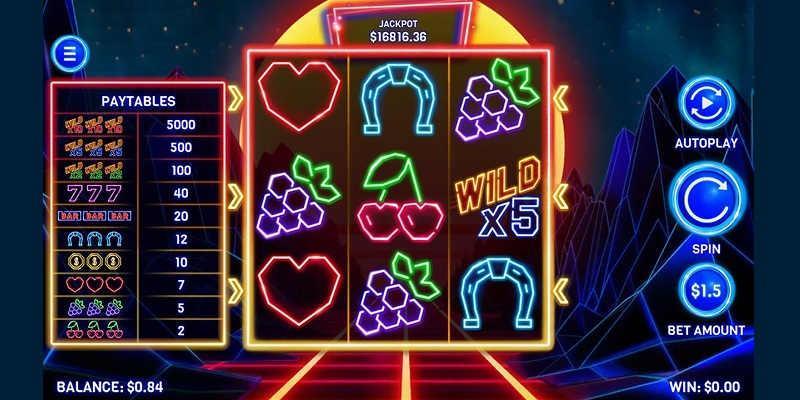
At the core of the debate lies the random number generator, a complex algorithm that generates thousands of number sequences per second, even when no one is playing. The moment the spin button is hit, the most recent number is transformed into a reel position, locking the outcome instantly. Regulatory bodies in the United Kingdom, such as the Gambling Commission, demand rigorous testing of these systems to guarantee genuine unpredictability. From a purely mathematical standpoint, there is no room for fate or free will. The result is a product of chance alone, rooted in code that cannot be affected by hope, timing or leprechaun folklore. Yet, the human brain finds it hard to accept such cold neutrality, always hunting for a cause behind every effect.
Almost Wins and the Mirage of Agency
Seldom experiences are as powerful as watching two pots of gold hit the payline while the third lingers just one position away. Game designers understand that near misses elicit a intense psychological response, releasing dopamine almost as effectively as a real win. In that brief moment, the player often thinks, “If I had pressed the button a fraction of a second earlier, I would have hit the jackpot.” This is the illusion of agency at its most powerful. The brain creates a hypothetical where free will could have changed history. In truth, the random number had already set the positions. That near miss was always going to happen exactly as it did, yet the feeling that agency was robbed sustains the debate burning brightly after every session.
User Duty and the Larger Context
Torn between the appeal of fate and the desire for control, the responsible player finds a compromise. Recognising that the spin result is arbitrary while maintaining full authority over budget and time limits permits entertainment without self-delusion. The discussion itself improves the activity for numerous players, converting a basic activity into a reflection showing personal opinions about luck, endeavour and the cosmos. In the UK, where Rainbow Riches has classic reputation, this dichotomy is aspect of its enduring appeal, sparking talks that reach far beyond the machines. Whether one leans towards predestination, free will or a mix of the two, the most vital act of self-reliance remains the choice to play responsibly and within one’s means.
The Philosophical Clash: Predestination Versus Autonomy
The age-old struggle between predestination and choice takes place on the casino floor. Within the framework of a slot machine, fate implies that every win or loss was fixed the moment the random number generator generated its sequence. Free will, on the other hand, suggests that the player’s choice of when to spin, when to stop or how to engage with a bonus feature substantially affects the result. This is not a trivial mental exercise. It shapes how a person approaches the game, manages their bankroll and processes both winning streaks and losing sessions. Understanding this clash clarifies why two players can sit side by side, use identical stake levels reddit.com and end up with radically different understandings of the same session.
The Allure of Rainbow Riches
Rainbow Riches is far more than a basic slot machine. Its vibrant graphics, upbeat soundtrack and familiar symbols such as the wishing well and pots of gold create an immersive experience that encourages repeat play. The game’s multiple bonus features, such as the Road to Riches and the Pick Me bonus, inject variety and the sense of control. Players often believe they are making meaningful choices when choosing a leprechaun or a path. This sensation of involvement is a careful design choice that fuels the free will side of the debate. The slot does not seem passive, and that cognitive shift is essential to grasping why so many people feel their decisions genuinely influence the outcome of each round.
The Gambler’s Fallacy and Observed Patterns
Human cognition is programmed to detect patterns, even if none are present. After a bad run on Rainbow Riches, a player could become certain that a win is coming, as though the slot must deliver a payout. This is the gambler’s fallacy in action, a tendency that relies strongly towards a fate-based view of the world. The mind constructs a tale where the machine is tied by a universal balance, and patience will be paid off. However, the reality is that each spin is an independent event. The software has no record of previous results. In spite of this, the fallacy persists, illustrating how strongly the feeling of a fixed order can overrule statistical truth and influence playing behaviour in the long run.
Risk level, RTP and the Statistical Framework
Slot mathematics further complicates the fate versus free will discussion. Rainbow Riches uses a set return to player percentage and a specific volatility profile that governs the frequency and magnitude of payouts. These parameters are hardwired into the game’s code and tested over millions of simulated spins. They guarantee that over an extended period, the machine will behave within foreseeable boundaries, no matter who is playing. This design can seem like an impersonal destiny, a mathematical fate written long before the first coin was ever wagered. Yet the player’s decisions about bet size, session length and when to walk away add a strong dose of free will into the economic outcome, even if not into the spin results themselves.
FAQ
Má si Rainbow Riches paměť na minulé spiny?
V žádném případě, hra uplatňuje certifikovaný generátor náhodných čísel, který považuje každé otočení jako zcela samostatnou příhodu. Dlouhá řada proher nenavyšuje možnost následné výhry a jackpot nezpůsobí, že by stroj byla míň pravděpodobný dávat cenu opět. Tento koncept zaručuje poctivost a vyhovuje striktním regulacím hazardu, čímž eliminuje veškerou představu paměti postaveného na paměti z procesu.
Může přestávka mezi otáčkami ovlivnit výstup?
Přestávka nemění podkladovou náhodnost. Generátor náhodných čísel funguje neustále a v momentě, kdy je aktivováno tlačítko pro spin, je stávající hodnota zachyceno. Zda čekáte 1 vteřinu nebo 1 minutu, výsledek bude odlišný, protože numerická posloupnost pokročila, ale vaše okamžik neupřednostňuje výhře ani prohře jakýmkoli očekávatelným způsobem.
Existuje optimální denní okamžik pro hraní Rainbow Riches?
Žádný čas dne nenabízí numerickou výhodu. Generátor náhodných čísel nereaguje podle času nebo vytížení serveru. Legendy o vrcholných výplatních obdobích jsou zrozeny z náhodných výher a potvrzovacího biasu. Virtuální hazardní herny provozují shodné algoritmy bez ohledu na době, čímž garantují, že každý hráč má stejným pravděpodobnostem, jestli spinnují v poledne nebo o půlnoci.
Z jakého důvodu, že hráči pociťují kontrolu během bonusových roundů?
The special games, such as the Pick Me feature, demand a manual choice, like selecting a symbol. This interactivity fools the brain into assuming the outcome is based on skill. In reality, the prize is fixed the moment the bonus is activated. The choice simply displays a pre-assigned value, generating a compelling but deceptive sense of agency that enhances the free will illusion.
By what means does the UK Gambling Commission verify fairness?
The Commission requires that all licensed operators use software that has been tested by independent laboratories. These tests verify that the random number generator cannot be forecast or manipulated and that the shown return to player percentage is accurate over millions of spins. This supervisory framework ensures that neither fate nor free will can jeopardize the integrity of the game.
Is it possible for the Leprechaun symbol predict a big win?
The Leprechaun is a Wild symbol that replaces for others to form winning combinations, but it does not foretell or predict future results. Players sometimes view its common appearance as a sign of an imminent jackpot, a standard example of pattern-finding behaviour. From a statistical standpoint, the symbol lands according to determined probabilities, and each occurrence is an unrelated, coincidental event with no predictive power. all the details
Ought players regard the game as fate or a test of skill?
Players should consider Rainbow Riches as a game of luck wrapped in an immersive interactive layer. Treating it as fate can lead to recovering losses under the notion a win is guaranteed. Viewing it as a test of skill may fuel excessive confidence. A balanced perspective, where the chance is embraced and personal limits are respected, leads to a healthier and more satisfying gaming experience overall.